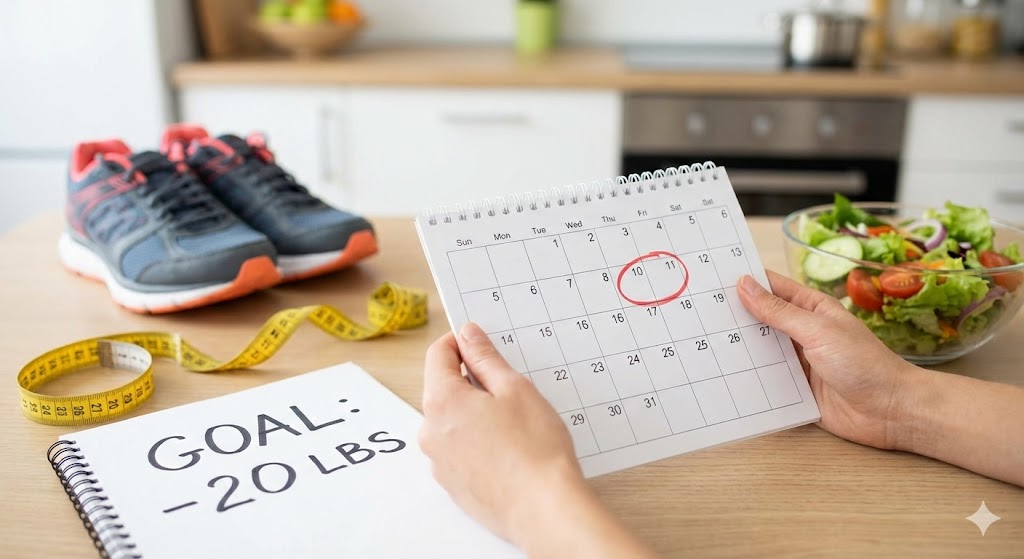
How to Kickstart Major Weight Loss Safely: What to Know Before Aiming for 20 Pounds in One Month
If you’ve ever searched for ways to lose 20 pounds in a month, you’re definitely not alone. The idea is tempting — fast, dramatic results that feel life-changing. But here’s the truth: while significant weight loss can happen quickly under certain conditions, dropping 20 pounds in just 30 days is far above the medically recommended pace and may not be safe for most people.
That doesn’t mean you can’t make remarkable progress in one month. You absolutely can — and this post will show you how to maximize fat loss, boost energy, and build momentum safely.
Let’s break down what’s actually achievable and how to do it in a healthy, sustainable way.
Is It Possible to Lose 20 Pounds in One Month?
Technically, yes — but usually only through extreme methods, which often lead to:
Muscle loss
Nutrient deficiencies
Gallstones
Metabolic slowdown
Rebound weight gain
Most health organizations recommend 1–2 pounds of fat loss per week, or 4–8 pounds per month. Some people lose more at the beginning due to water weight, especially if they cut carbs or sodium.
Instead of chasing a potentially unsafe number, focus on creating the strongest 30-day transformation you can — one that benefits your body rather than harms it.
How to Maximize Safe Weight Loss in 30 Days
1. Create a Smart Calorie Deficit (Without Starving)
You don’t need extreme restriction. Instead:
Reduce processed foods
Cut liquid calories
Prioritize protein in every meal
Fill your plate with vegetables
A moderate deficit (typically 500–900 calories/day depending on your body size) promotes steady fat loss without burning muscle.
2. Shift to High-Volume, Whole Foods
Foods that let you eat a lot for fewer calories help eliminate hunger:
Vegetables (especially leafy greens, broccoli, cauliflower, zucchini)
Lean proteins (chicken, eggs, fish, tofu)
Whole fruits
Beans and lentils
These foods regulate blood sugar, reduce cravings, and keep you full — key for sticking with your plan.
3. Increase Protein (Your Metabolism Will Thank You)
Protein helps:
Reduce appetite
Maintain muscle (which keeps metabolism higher)
Improve recovery from workouts
Aim for 0.7–1g of protein per pound of goal body weight.
4. Mix Strength Training + Cardio
For the fastest safe fat loss:
Strength train 3–4× per week
Add 30–45 minutes of moderate cardio on most days
Include NEAT (walking, chores, movement throughout your day) to boost calorie burn
Walking alone can dramatically accelerate early progress.
5. Hydrate Like It’s Your Job
Dehydration slows metabolism and increases cravings.
Shoot for 2.5–3 liters per day, more if you’re active.
6. Cut Back on the “Big Three” for 30 Days
You don’t need to eliminate them forever, but reducing for a month can transform your results:
Alcohol
Ultra-processed snacks
Fast food
Even a moderate reduction can improve fat loss dramatically.
7. Prioritize Sleep
Poor sleep boosts hunger hormones and slows metabolism.
Aim for 7–9 hours, and keep a consistent schedule.
8. Track Something Daily
Tracking boosts awareness — and awareness drives results. You can track:
Food
Steps
Workouts
Weight (optional)
Measurements (waist, hips, thighs)
People who track consistently lose more weight.
How Much Can You Expect to Lose in One Month?
For most people, following the steps above leads to:
4–12 pounds of weight loss
Noticeable reduction in bloating, cravings, and fatigue
Improved strength and energy
Healthier habits that stick
Some individuals — especially those with higher starting weights — may lose more in the first few weeks due to water weight and inflammation reduction.
The Bottom Line
Trying to lose 20 pounds in one month isn’t usually safe — but achieving major progress in 30 days absolutely is.
If you:
Eat whole, protein-rich foods
Stay in a moderate deficit
Move daily
Train consistently
Sleep and hydrate well
You’ll see real, meaningful, and healthy transformatio